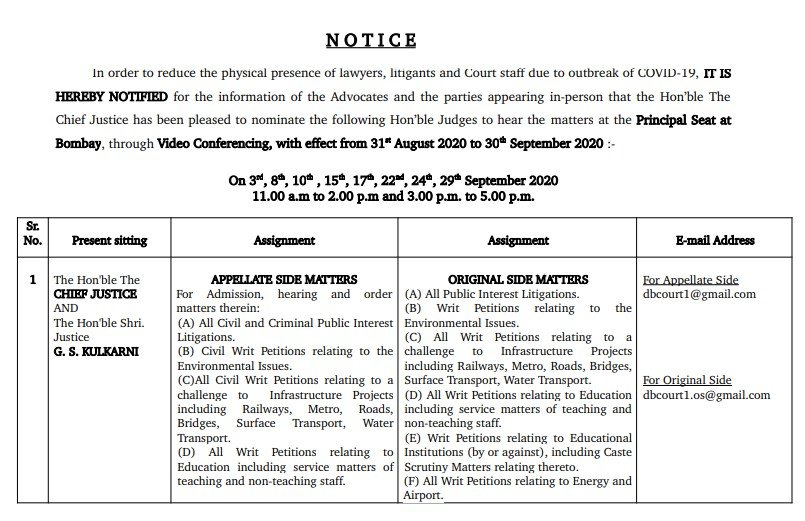
The Bombay High Court Cause List pdf is a daily schedule used by lawyers, law students, and anyone involved in a court case. It acts like a timetable that tells everyone exactly what is happening in the court on a specific day.
What Is This List?
The Cause List is an official document that provides the following details:
- Which cases will be heard that day.
- The names of the Judges hearing the cases.
- The type of case (whether it is a criminal case, a property dispute, etc.).
- The time the court starts and the hearing method (physical or virtual).
Why Is It Important?
This list is essential for keeping the court organized.
- For Lawyers: It helps them prepare because they know exactly when their case will be called.
- For the Public: It provides transparency so anyone can see which judge is handling which matter.
- For Efficiency: It saves time by ensuring everyone knows which courtroom to go to.
Types of Cases: Appellate vs. Original
The High Court handles two main types of work, and the list separates them:
- Appellate Side: These are cases that have come up from lower courts. If someone is unhappy with a lower court’s decision, they “appeal” to the High Court. This includes criminal appeals and constitutional matters.
- Original Side: These are cases that start directly at the High Court. This usually happens with large commercial disputes, arbitration, or matters regarding wills (testamentary).
Understanding “Benches”
The list tells you which “Bench” is hearing a case. A Bench refers to the judge or judges sitting in the courtroom.
- Division Bench: This consists of two judges sitting together. They usually handle very serious matters, such as Public Interest Litigations (PILs), tax issues, and major infrastructure cases.
- Single Judge Bench: This consists of one judge sitting alone. They usually handle matters like bail applications, family court disputes, and rent cases.
Virtual Hearings
Since the COVID-19 pandemic, the court often allows cases to be heard over video calls. The Cause List specifies:
- Fixed timings for these video hearings (usually split into morning and afternoon sessions).
- The specific email addresses lawyers need to contact to join the hearing.