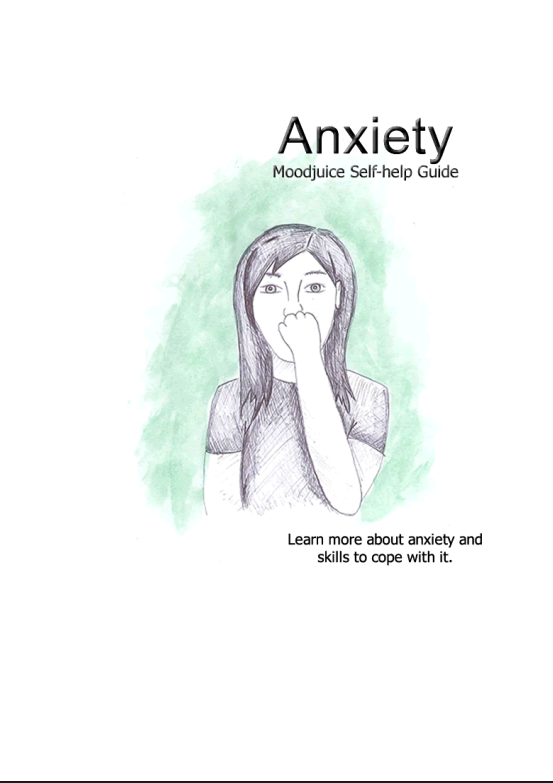
anxiety coping strategies pdf free download: Anxiety coping strategies are practical tools that help you manage excessive worry, physical tension, racing thoughts, and fear. Whether you’re an adult handling work stress, a teen facing school pressure, or a parent supporting a child, structured coping techniques can reduce anxiety and improve daily functioning.
This guide explains:
- What anxiety is
- Why it happens
- What keeps it going
- Evidence-based coping strategies
- How to download a structured anxiety coping strategies PDF
The techniques shared here are inspired by guidance from trusted health organizations such as Mayo Clinic Health System and Mental Health Foundation, along with structured self-help frameworks commonly used in clinical settings.
What Are Anxiety Coping Strategies?
Anxiety coping strategies are structured mental and behavioral techniques designed to:
- Reduce excessive worry
- Calm physical symptoms (like rapid heartbeat or muscle tension)
- Improve emotional regulation
- Increase confidence in stressful situations
They work by targeting four key areas:
- Thoughts
- Physical sensations
- Behaviors
- Emotional responses
When these areas are addressed together, anxiety becomes more manageable.
Common Symptoms of Anxiety
Anxiety can affect the body and mind at the same time.
Emotional Symptoms
- Feeling on edge
- Irritability
- Constant nervousness
- Panic or dread
Physical Symptoms
- Tight chest
- Fast heartbeat
- Dizziness
- Muscle tension
- Upset stomach
Thought Patterns
- “What if” thinking
- Expecting the worst
- Overanalyzing small situations
- Worrying about worrying
If these symptoms occur frequently, coping strategies can significantly reduce their intensity.
Why Anxiety Happens
Understanding anxiety makes it less frightening.
1. The Fight-or-Flight Response
Anxiety activates your survival system. Your body prepares to either fight danger or run from it. This causes:
- Faster breathing
- Increased heart rate
- Muscle tension
The response is not dangerous — it’s just activated at the wrong time.
2. Stress Overload
Multiple stressors (work, finances, relationships) can overwhelm your coping capacity.
3. Thinking Patterns
Certain thinking habits increase anxiety:
- Predicting negative outcomes
- Mind reading (“They think I’m incompetent”)
- Catastrophizing small issues
The good news? These patterns can be retrained.
Evidence-Based Anxiety Coping Strategies
Below are structured techniques suitable for adults, teens, and children (with slight modifications by age).
1. Challenge Unhelpful Thoughts
Anxiety grows when thoughts go unchecked.
Ask yourself:
- Is there evidence this will happen?
- Am I predicting the future?
- What would I tell a friend in this situation?
- Will this matter in 6 months?
Replace extreme thoughts with balanced alternatives.
Example:
Instead of: “I’ll definitely fail.”
Try: “I’ve prepared. I may feel nervous, but I can handle it.”
This is one of the most powerful anxiety coping strategies for adults and teens.
2. Schedule “Worry Time”
If your mind won’t switch off:
- Set aside 15–20 minutes daily as “worry time.”
- Write worries down during the day.
- Only think about them during that scheduled time.
This method reduces constant mental rumination and improves control.
3. Controlled Breathing Technique
Slow breathing calms the nervous system.
Try this rhythm:
- Inhale for 3 seconds
- Hold for 2 seconds
- Exhale for 3 seconds
- Repeat for 3–5 minutes
This works especially well during panic episodes or before sleep.
For kids, simplify: “Smell the flower, blow out the candle.”
4. Progressive Muscle Relaxation
Tense and release muscle groups one at a time:
- Legs
- Arms
- Shoulders
- Face
Hold tension for 5 seconds, then relax.
This reduces physical symptoms of anxiety.
5. Reduce Avoidance Gradually
Avoiding feared situations strengthens anxiety.
Instead:
- List avoided situations.
- Rank them from least scary to most scary.
- Start with the easiest.
- Stay in the situation until anxiety drops by half.
Gradual exposure builds confidence and resilience.
Anxiety Coping Strategies for Adults
Adults often experience anxiety due to work, finances, parenting, or health concerns.
Recommended strategies:
- Structured problem solving
- Time management systems
- Regular exercise
- Limiting caffeine
- Digital detox before bed
Adults benefit greatly from written worksheets — which is why downloadable PDF guides are helpful.
Anxiety Coping Strategies for Teens
Teens face:
- Academic pressure
- Social comparison
- Identity challenges
Helpful strategies include:
- Journaling thoughts
- Physical activity
- Limiting social media
- Talking to a trusted adult
- Breathing exercises before exams
Teens respond well to interactive worksheets and reflection prompts.
Anxiety Coping Strategies for Kids & Children
Children experience anxiety differently. They may show it through:
- Stomach aches
- School refusal
- Irritability
- Clinginess
Helpful child-friendly tools:
- Drawing feelings
- Calm-down corners
- Story-based reframing
- Simple breathing games
- Routine charts
Parents and teachers can integrate these into daily routines.
What Should an Anxiety Coping Strategies PDF Include?
A high-quality PDF guide should contain:
- Anxiety symptom checklist
- Thought-challenging worksheets
- Worry-time planner
- Breathing exercise guide
- Exposure ladder template
- Relaxation scripts
Frequently Asked Questions About Anxiety Coping Strategies
What are anxiety coping strategies?
Anxiety coping strategies are practical techniques that help manage excessive worry, physical tension, and racing thoughts. They include breathing exercises, cognitive reframing, relaxation techniques, and gradual exposure to feared situations.
What is the fastest way to calm anxiety?
Slow, controlled breathing is one of the fastest ways to calm anxiety. Inhale for 3 seconds, hold for 2 seconds, and exhale for 3 seconds. Repeat for several minutes to activate the body’s relaxation response.
Are anxiety coping strategies effective for adults and teens?
Yes. Evidence-based coping strategies such as cognitive behavioral techniques and structured problem-solving are widely recommended for adults and teens experiencing anxiety.
Can children use anxiety coping strategies?
Yes. Children can use simplified coping tools like deep breathing games, drawing emotions, structured routines, and gradual exposure with parental support.