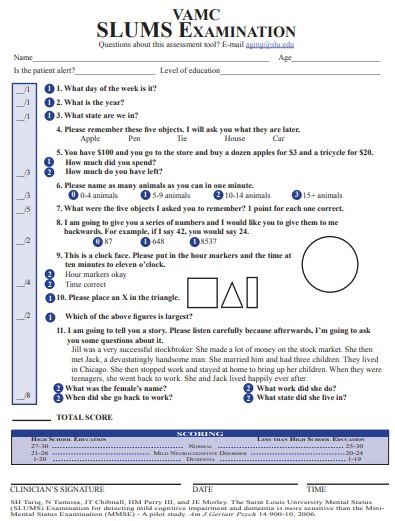
To clarify, the SLUMS pdf Examination actually stands for the Saint Louis University Mental Status Exam. It is a clinical tool used by doctors to check for dementia and memory loss, and it has no direct connection to urban housing or living in a slum.
1. Urban Slums and Mental Health
What is a Slum? A slum is a highly crowded, unofficial neighborhood within a city. When cities grow too fast, people who move there looking for work often cannot afford proper housing. Because of this, they are forced to live in these underdeveloped areas.
Living Conditions in Slums Life in these neighborhoods is very difficult. Residents typically face:
- Poorly built and unsafe homes.
- A lack of clean drinking water and working toilets.
- Very little access to doctors or schools.
- Overcrowding.
- The constant fear of being forced to leave because they do not legally own the land.
How This Affects Mental Health While physical health issues in slums are obvious, mental health is often ignored. The daily struggle of living with no money, no safety net, and constant stress takes a heavy toll. People living in these conditions have a much higher risk of:
- Depression
- Anxiety
- Drug or alcohol abuse
- A decline in memory and thinking skills over time
2. The SLUMS Examination (Cognitive Test)
What is the SLUMS Exam? The Saint Louis University Mental Status (SLUMS) Examination is a questionnaire used by healthcare professionals to test a patient’s memory, attention, and thinking skills. It helps doctors figure out if a person is developing dementia or experiencing a mild decline in brain function.
How the Test is Scored The test is scored out of 30 points. Because a person’s education level can affect how they answer the questions, there are two different scoring scales:
For people who graduated from high school:
- 27 to 30: Normal brain function
- 21 to 26: Mild cognitive impairment (early signs of memory/thinking problems)
- 1 to 20: Dementia
For people who did not finish high school:
- 25 to 30: Normal brain function
- 20 to 24: Mild cognitive impairment
- 1 to 19: Dementia